




A second seabird is undergoing testing for H5 bird flu after Australia recorded its first mainland case of the deadly strain, prompting authorities to intensify surveillance efforts along Western Australia’s south coast.
A giant petrel was found in the same Esperance region where a brown skua was confirmed to be carrying the highly pathogenic H5 bird flu virus, which has devastated wildlife populations around the world.
WATCH THE VIDEO ABOVE: First bird flu case detected in Australia
Know the news with the 7NEWS app: Download today
The second bird is suspected to be positive and is currently undergoing confirmatory testing at the Australian Centre for Disease Preparedness.
The development has heightened concerns the virus may have spread beyond the first confirmed case, although authorities stress there is currently no evidence of infection in poultry or agricultural production systems.
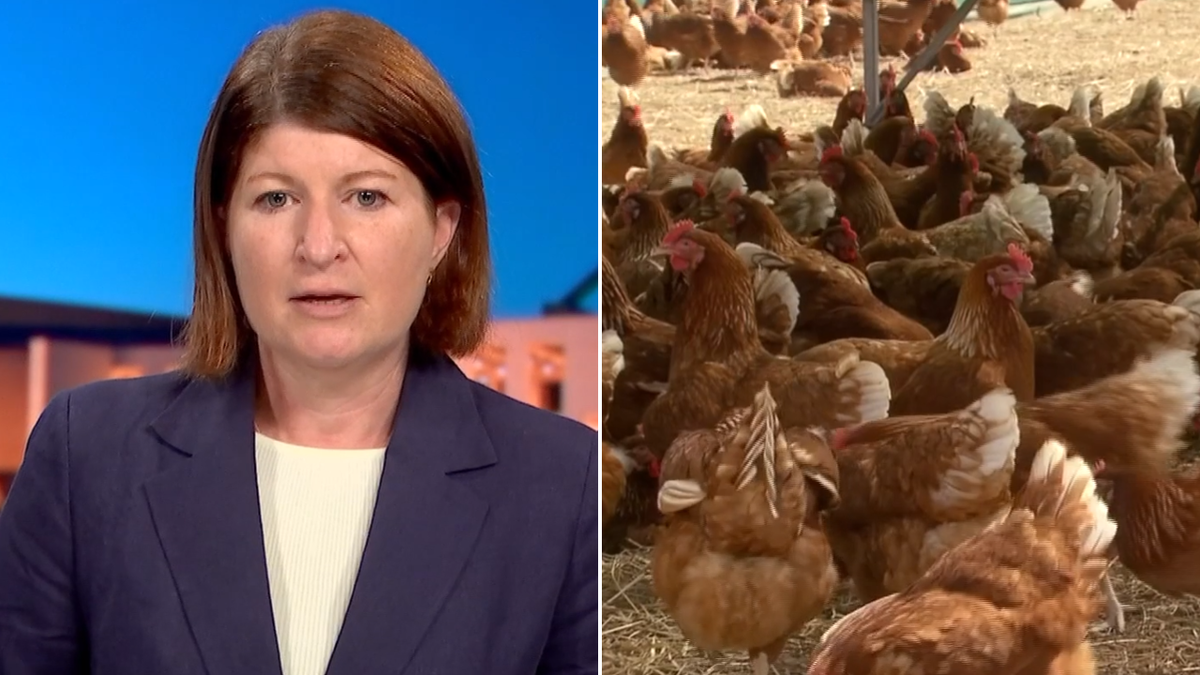
Australian Chief Veterinary Officer Dr Beth Cookson told Sunrise on Monday that determining the extent of the infection was now the key priority.
“We are asking that the community tells us about any reports of sick or dead birds, and that will enable the local authorities trying to take the relevant investigations to determine whether this has spread beyond those birds that we’ve detected so far,” she said.
Dr Cookson said it was still too early to determine whether the virus had become established in Australian wildlife populations.
“At this early stage, it is difficult to make a conclusion about whether the infection has established in wildlife populations,” she said.
Emergency response arrangements have been activated, with state and federal authorities ramping up surveillance and monitoring efforts around Esperance and along the wider coastline.
A consultative committee for emergency animal diseases has also been convened to consider response measures and identify whether there has been any further spread.
While the risk to humans remains low, authorities are urging anyone who encounters sick or dead birds not to touch them and instead report sightings to the Emergency Animal Disease Hotline.
“We continue to be on alert looking for signs of disease,” Dr Cookson said.
The H5 strain has spread across every continent in recent years, causing mass deaths among wild birds and marine mammals and forcing the culling of millions of poultry overseas.
Last week, it was reported that thousands of baby seals died on an Australian island 4000km from the mainland, with bird flu named as the cause of death.
The first case in Australia was then announced just days later.


